Storm Damage Cleanup in Phoenix, AZ
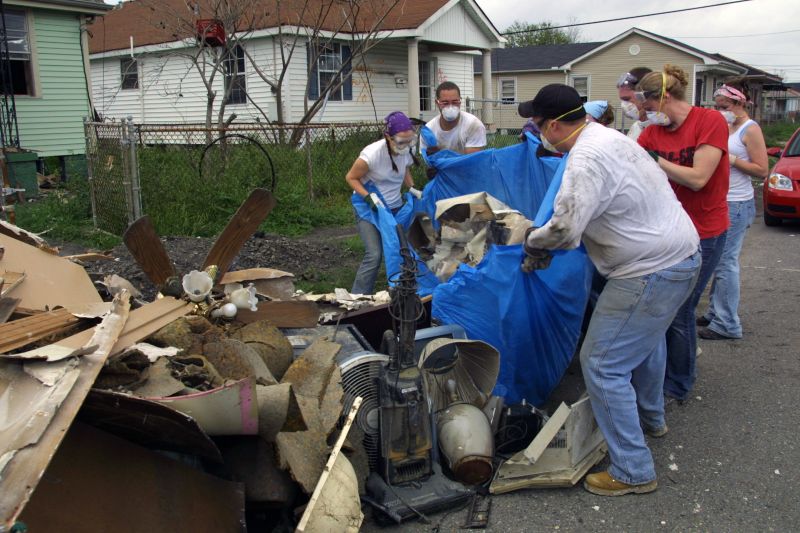
Storm damage cleanup services are designed to address the aftermath of severe weather events such as heavy rain, hail, strong winds, and storms that cause damage to property. These services typically involve removing fallen trees, branches, and debris, as well as addressing damage to roofs, siding, fences, and other exterior structures. Homeowners often seek storm damage cleanup to restore safety and appearance, prevent further deterioration, and prepare their property for repairs or insurance claims.
Property owners considering storm damage cleanup should understand the scope of work involved and what to expect during the process. It is important to assess the extent of damage, identify any safety hazards, and determine whether additional repairs are necessary. Clear communication about the types of debris removal, damage mitigation, and property assessment can help homeowners make informed decisions and ensure the property is properly restored after a storm.
Many property owners in Phoenix, AZ look into Storm Damage Cleanup for repairs, replacements, upgrades, and appearance-related improvements.
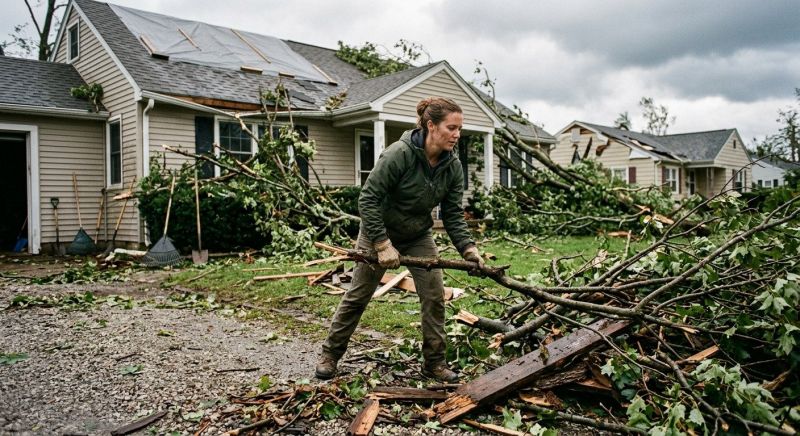
Storm Damage Assessment
Identifying and evaluating damage caused by storms to determine necessary repairs and safety measures.
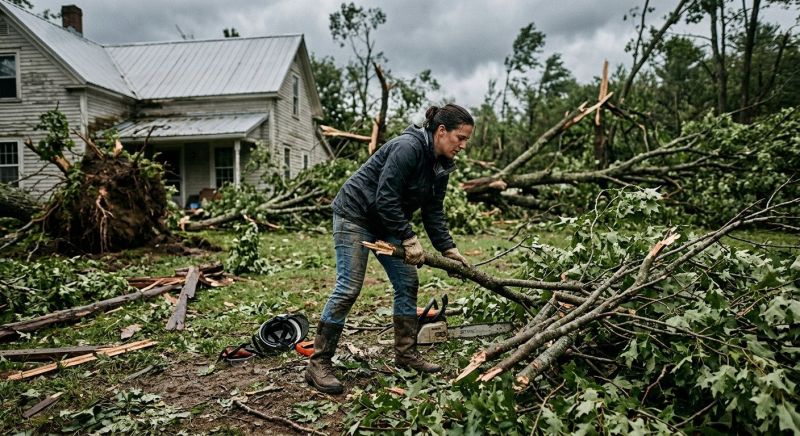
Debris Removal And Cleanup
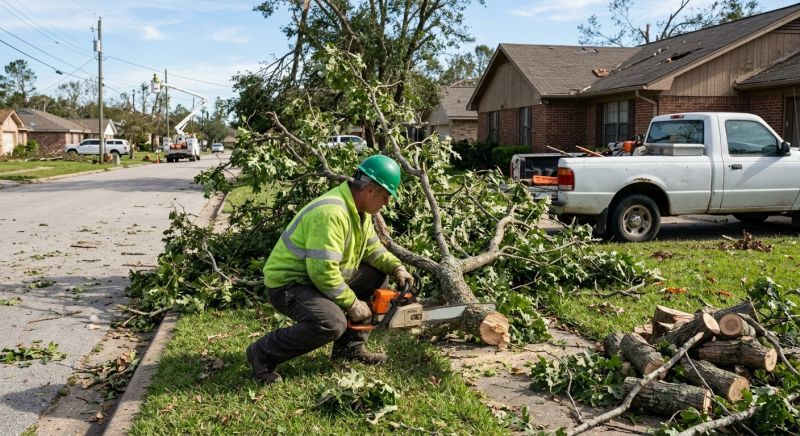
Removing fallen trees, branches, and debris to restore safety and accessibility to affected properties.
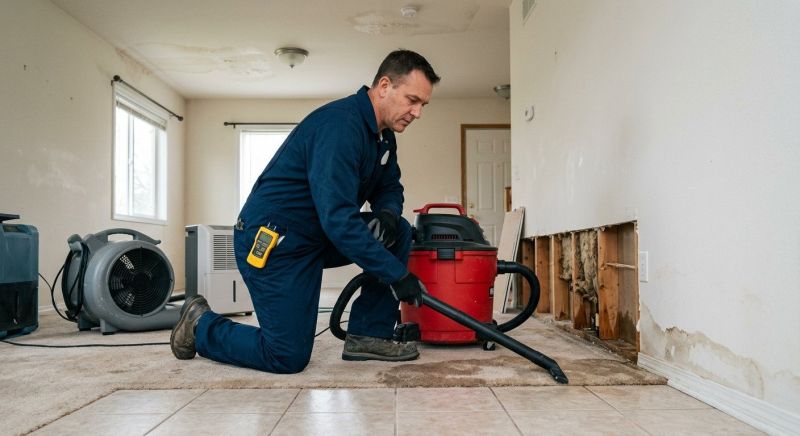
Structural And Roof Repairs
Restoring damaged roofs, siding, and structural elements to protect the property from further harm.
Storm Damage Cleanup in Phoenix, AZ

Storm damage cleanup services are designed to address the aftermath of severe weather events such as heavy rain, hail, strong winds, and storms that cause damage to property. These services typically involve removing fallen trees, branches, and debris, as well as addressing damage to roofs, siding, fences, and other exterior structures. Homeowners often seek storm damage cleanup to restore safety and appearance, prevent further deterioration, and prepare their property for repairs or insurance claims.
Property owners considering storm damage cleanup should understand the scope of work involved and what to expect during the process. It is important to assess the extent of damage, identify any safety hazards, and determine whether additional repairs are necessary. Clear communication about the types of debris removal, damage mitigation, and property assessment can help homeowners make informed decisions and ensure the property is properly restored after a storm.
Many property owners in Phoenix, AZ look into Storm Damage Cleanup for repairs, replacements, upgrades, and appearance-related improvements.
Common Storm Damage Cleanup Jobs
Storm damage cleanup services remove fallen trees, debris, and damaged roofing to restore safety and accessibility.
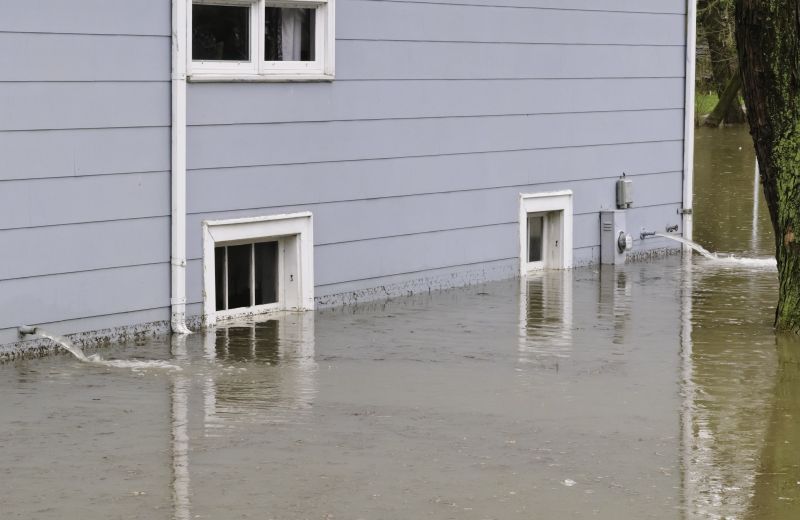
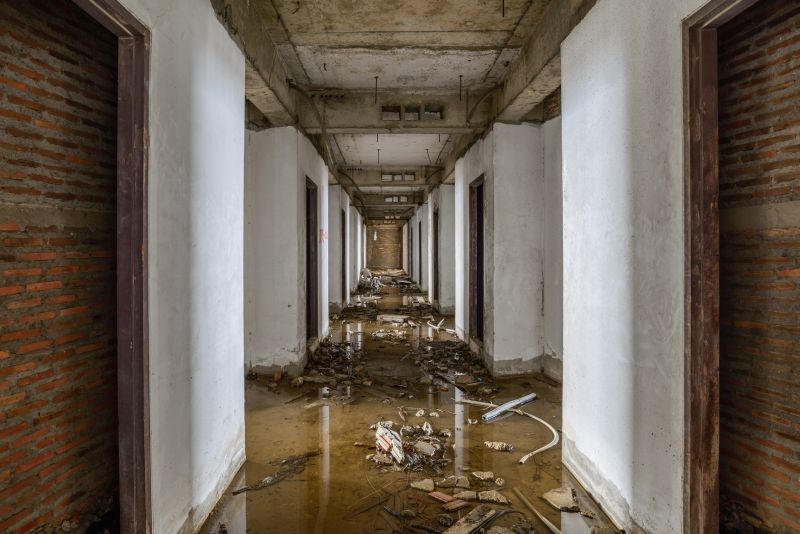
Flooded basements and yards are cleared of excess water, mud, and wreckage to prevent further damage.
Roof debris and damaged shingles are safely removed to prepare for repairs or replacement.
Broken windows, siding, and exterior structures are cleared to secure the property and prevent intrusion.
Debris and wreckage from windstorms or hail are promptly cleared to reduce hazards and restore property value.
Storm-related damage assessments help identify urgent repairs needed to protect the property.
Storm Damage Cleanup Questions
What types of storm damage cleanup are available? Services include removal of fallen trees, debris clearing, roof tarping, and water extraction to protect the property.
How can storm damage affect a property? Storm damage can cause structural issues, water intrusion, and roof or siding damage if not addressed promptly.
What should homeowners do immediately after a storm? Safety first-avoid hazards, document damage, and contact a cleanup service to assess and start repairs.
Is storm damage cleanup necessary even if damage isn’t visible? Yes, some damage may be hidden; professional inspection can identify issues that need prompt attention.
Request Storm Damage Cleanup in Phoenix, AZ
Use the quote form on this page to share the basics of your project and request more information for the type of work you need.