Wood Decay Removal in Denver County, CO
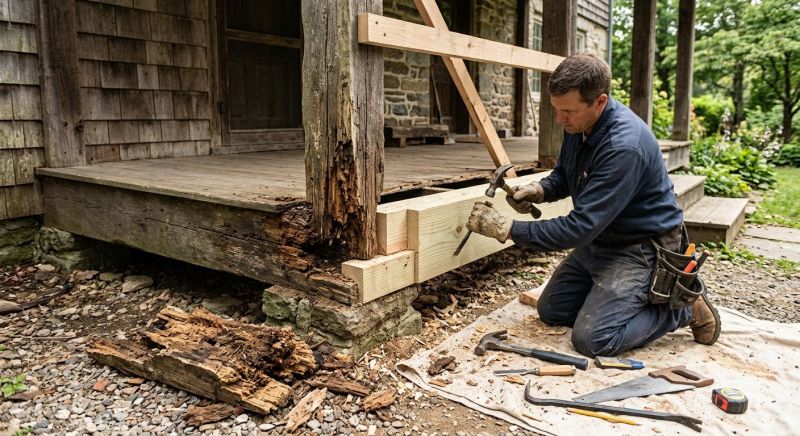
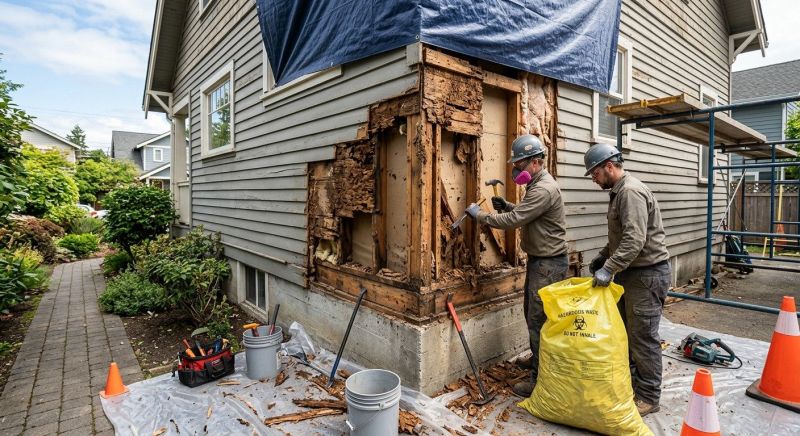
Wood decay removal services focus on identifying and eliminating areas of compromised wood caused by fungi, moisture, or pests. These services typically address issues in structures such as decks, fences, siding, porches, and other wooden features around a property. Property owners usually want to understand the extent of the decay, the methods used to remove affected wood, and the steps taken to prevent future damage. Proper removal helps preserve the integrity and appearance of the wood while reducing the risk of further deterioration or structural problems.
Before requesting wood decay removal, homeowners should consider the severity of the damage and whether it is localized or widespread. It’s important to assess if other parts of the property may be affected and to understand the potential need for repairs or treatments after the decay is removed. Clear communication about the condition of the wood and the desired outcome can help ensure the process effectively restores the safety and aesthetics of the property.
Many property owners in Denver County, CO look into Wood Decay Removal for repairs, replacements, upgrades, and appearance-related improvements.
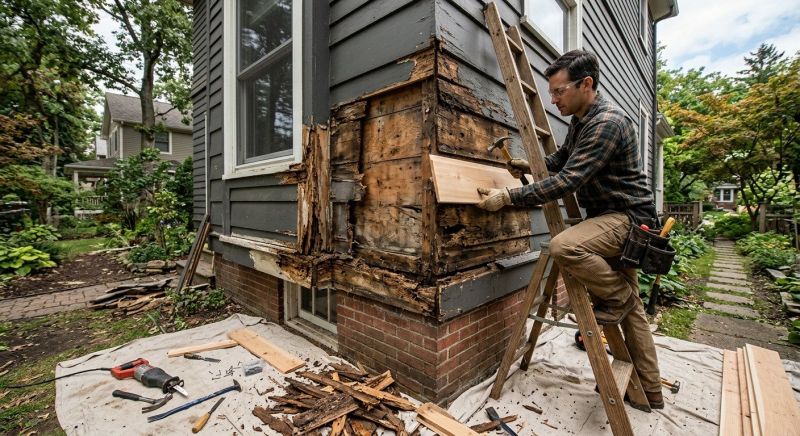
Signs Of Wood Decay
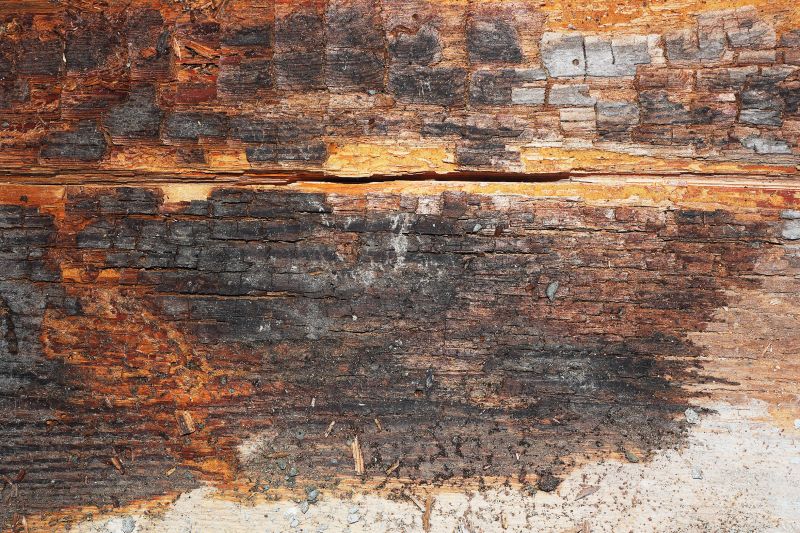
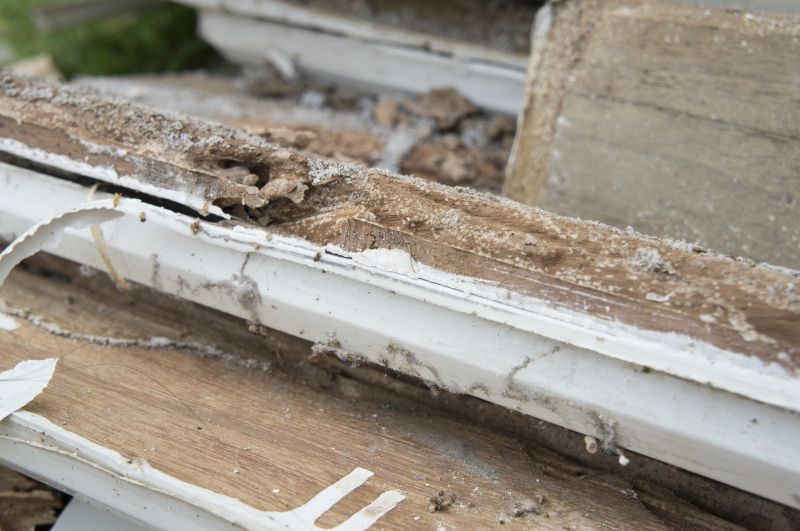
Detecting soft, discolored, or crumbling wood helps identify decay early.
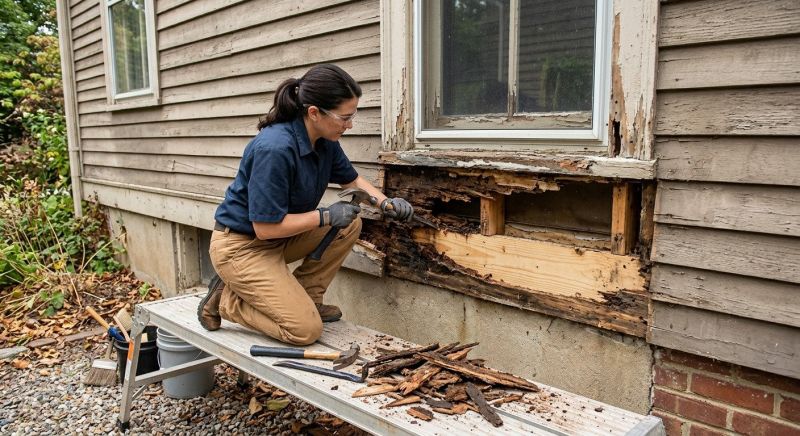
Common Affected Areas
Decayed wood often occurs in decks, fences, siding, and structural beams.
Restoration And Prevention
Proper removal of decayed wood can prevent further damage and preserve property value.
Wood Decay Removal in Denver County, CO
Wood decay removal services focus on identifying and eliminating areas of compromised wood caused by fungi, moisture, or pests. These services typically address issues in structures such as decks, fences, siding, porches, and other wooden features around a property. Property owners usually want to understand the extent of the decay, the methods used to remove affected wood, and the steps taken to prevent future damage. Proper removal helps preserve the integrity and appearance of the wood while reducing the risk of further deterioration or structural problems.
Before requesting wood decay removal, homeowners should consider the severity of the damage and whether it is localized or widespread. It’s important to assess if other parts of the property may be affected and to understand the potential need for repairs or treatments after the decay is removed. Clear communication about the condition of the wood and the desired outcome can help ensure the process effectively restores the safety and aesthetics of the property.
Many property owners in Denver County, CO look into Wood Decay Removal for repairs, replacements, upgrades, and appearance-related improvements.
Common Wood Decay Removal Jobs
Wood Decay Removal - Removes rotted wood to prevent further structural damage.
Fungal and Mold Treatment - Eliminates fungi and mold that cause wood decay.
Structural Repair - Replaces or reinforces compromised wood components.
Damage Inspection - Assesses the extent of decay to plan effective removal.
Preventative Treatments - Applies protective solutions to inhibit future decay.
Property Preservation - Maintains the integrity and safety of wood structures.
Wood Decay Removal Questions
What causes wood decay in structures? Wood decay is typically caused by moisture exposure, which promotes fungal growth that breaks down the wood fibers.
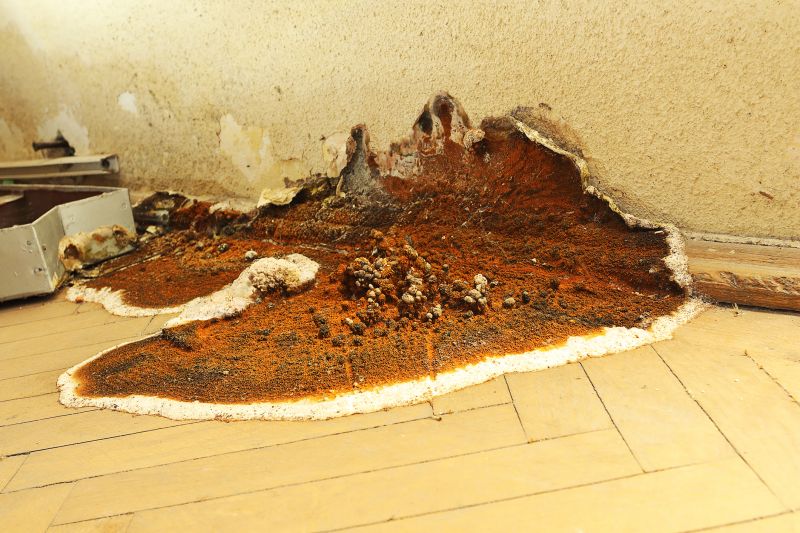
How can decay be identified? Signs include soft, spongy wood, discoloration, and visible mold or fungi growth on the surface.
What types of wood are most vulnerable? Softwoods like pine and cedar are more susceptible to decay, especially when exposed to prolonged moisture.
Why is removal important? Removing decayed wood helps prevent structural damage and preserves the integrity of the property.
Request Wood Decay Removal in Denver County, CO
Use the quote form on this page to share the basics of your project and request more information for the type of work you need.