Termite Damage Restoration in Littleton, CO
Termite damage restoration services focus on repairing and restoring properties affected by termite infestations. These projects typically involve assessing the extent of the damage caused by termites, which can include compromised wood structures, drywall, flooring, and other building components. The process may include removing and replacing damaged materials, treating affected areas to prevent future infestations, and ensuring the structural integrity of the property is restored. Homeowners often seek this service after discovering signs of termite activity or following a pest control treatment to address existing damage and prevent further issues.
Before requesting termite damage restoration, property owners usually want to understand the scope of the repairs needed and the potential impact on their home’s structure. It’s important to determine whether the damage is superficial or requires extensive rebuilding. Clarifying the types of materials that can be repaired or replaced, as well as the overall process involved, helps homeowners plan accordingly. Additionally, understanding the importance of addressing termite activity thoroughly can assist in making informed decisions about restoration and ongoing pest prevention measures.
Many property owners in Littleton, CO look into Termite Damage Restoration for repairs, replacements, upgrades, and appearance-related improvements.
Identifying Termite Damage
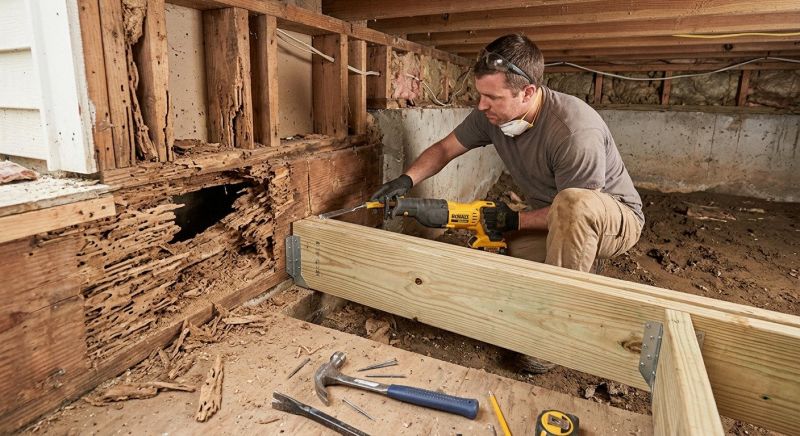
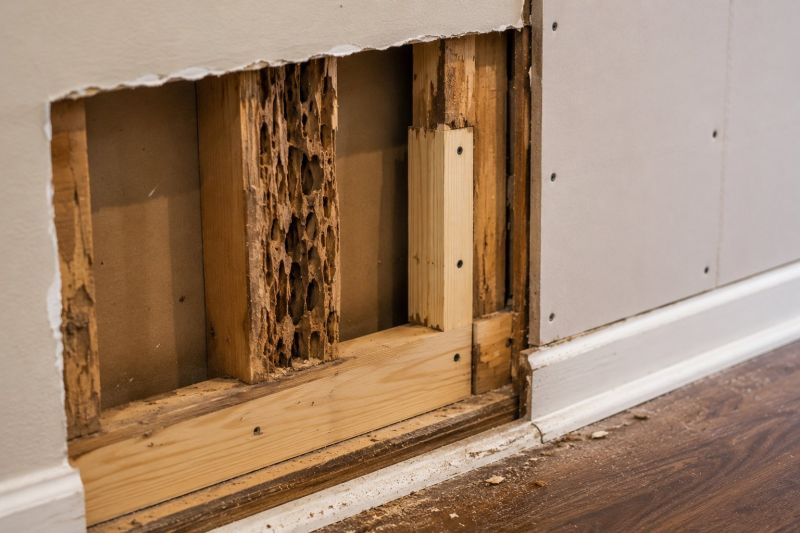
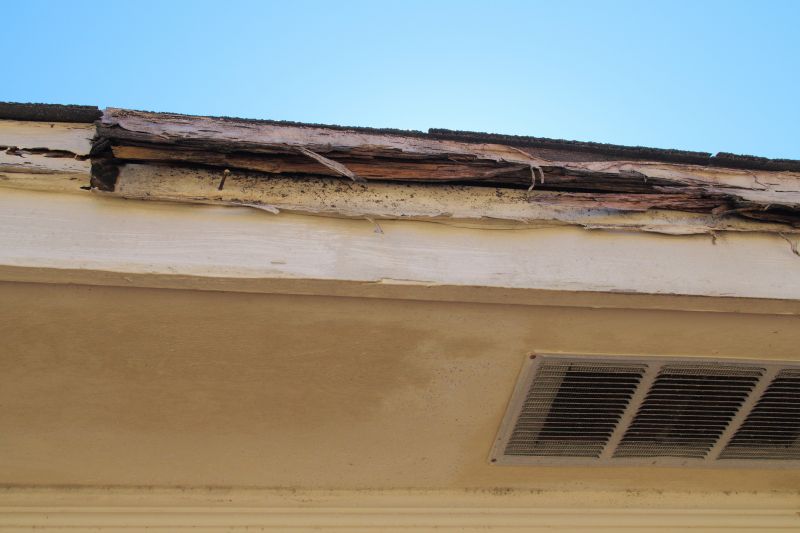
Signs of termite activity can include hollow-sounding wood and visible tunnels in walls.
Restoration Process
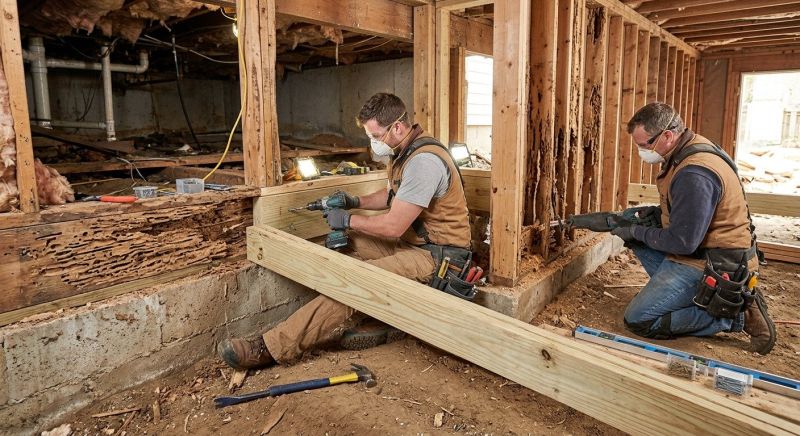
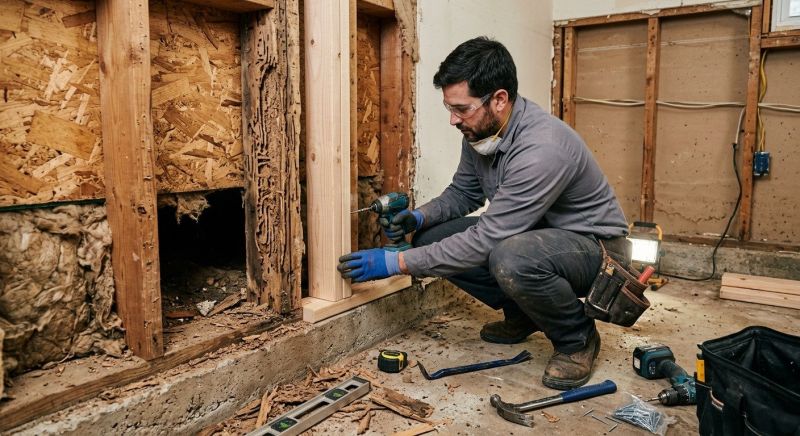
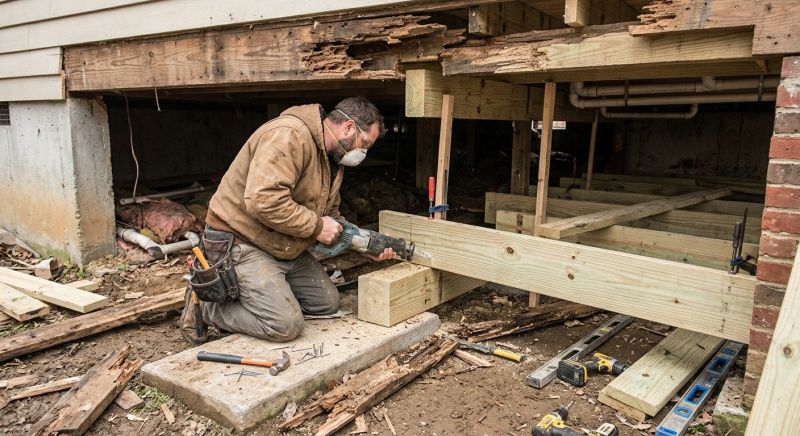
Repairing termite damage involves removing affected materials and restoring structural integrity.
Preventative Measures
Implementing moisture control and regular inspections can help prevent future termite issues in littleton, co.
Termite Damage Restoration in Littleton, CO
Termite damage restoration services focus on repairing and restoring properties affected by termite infestations. These projects typically involve assessing the extent of the damage caused by termites, which can include compromised wood structures, drywall, flooring, and other building components. The process may include removing and replacing damaged materials, treating affected areas to prevent future infestations, and ensuring the structural integrity of the property is restored. Homeowners often seek this service after discovering signs of termite activity or following a pest control treatment to address existing damage and prevent further issues.
Before requesting termite damage restoration, property owners usually want to understand the scope of the repairs needed and the potential impact on their home’s structure. It’s important to determine whether the damage is superficial or requires extensive rebuilding. Clarifying the types of materials that can be repaired or replaced, as well as the overall process involved, helps homeowners plan accordingly. Additionally, understanding the importance of addressing termite activity thoroughly can assist in making informed decisions about restoration and ongoing pest prevention measures.
Many property owners in Littleton, CO look into Termite Damage Restoration for repairs, replacements, upgrades, and appearance-related improvements.
Common Termite Damage Restoration Jobs
Termite damage repair - restoring structural integrity after termite infestations has compromised wood and framing.
Wood replacement services - replacing damaged or weakened wood components caused by termite activity.
Structural restoration - repairing compromised foundations, beams, and support structures affected by termites.
Damage assessment - evaluating the extent of termite-related damage to determine necessary repairs.
Moisture control solutions - addressing moisture issues that attract termites and contribute to ongoing damage.
Preventive treatments - implementing measures to protect against future termite infestations and damage.
Termite Damage Restoration Questions
What types of termite damage require restoration? Damage that affects structural elements like wood framing, flooring, or support beams often needs restoration to ensure safety and stability.
How can I tell if termite damage has occurred? Signs include hollowed or weakened wood, mud tubes on walls or foundations, and visible termite activity around the property.
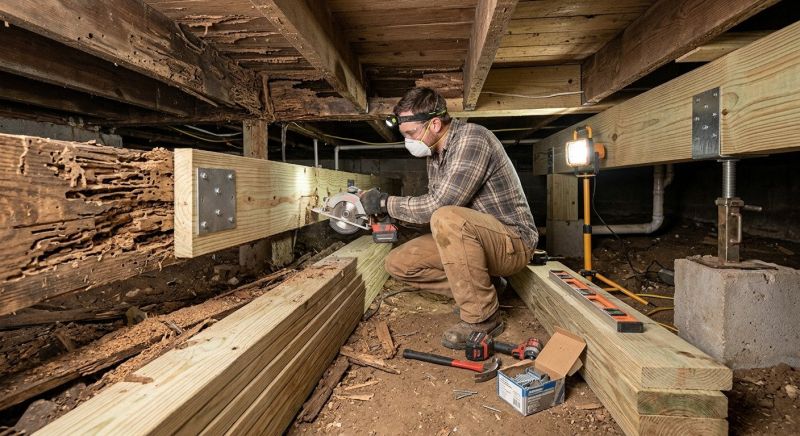
What is involved in termite damage restoration? The process typically includes removing damaged materials, repairing or replacing affected structures, and ensuring the area is properly treated for future infestations.
Why is professional restoration important after termite damage? Professionals ensure that all damaged areas are properly restored, reducing the risk of future issues and maintaining the property's integrity.
Request Termite Damage Restoration in Littleton, CO
Use the quote form on this page to share the basics of your project and request more information for the type of work you need.